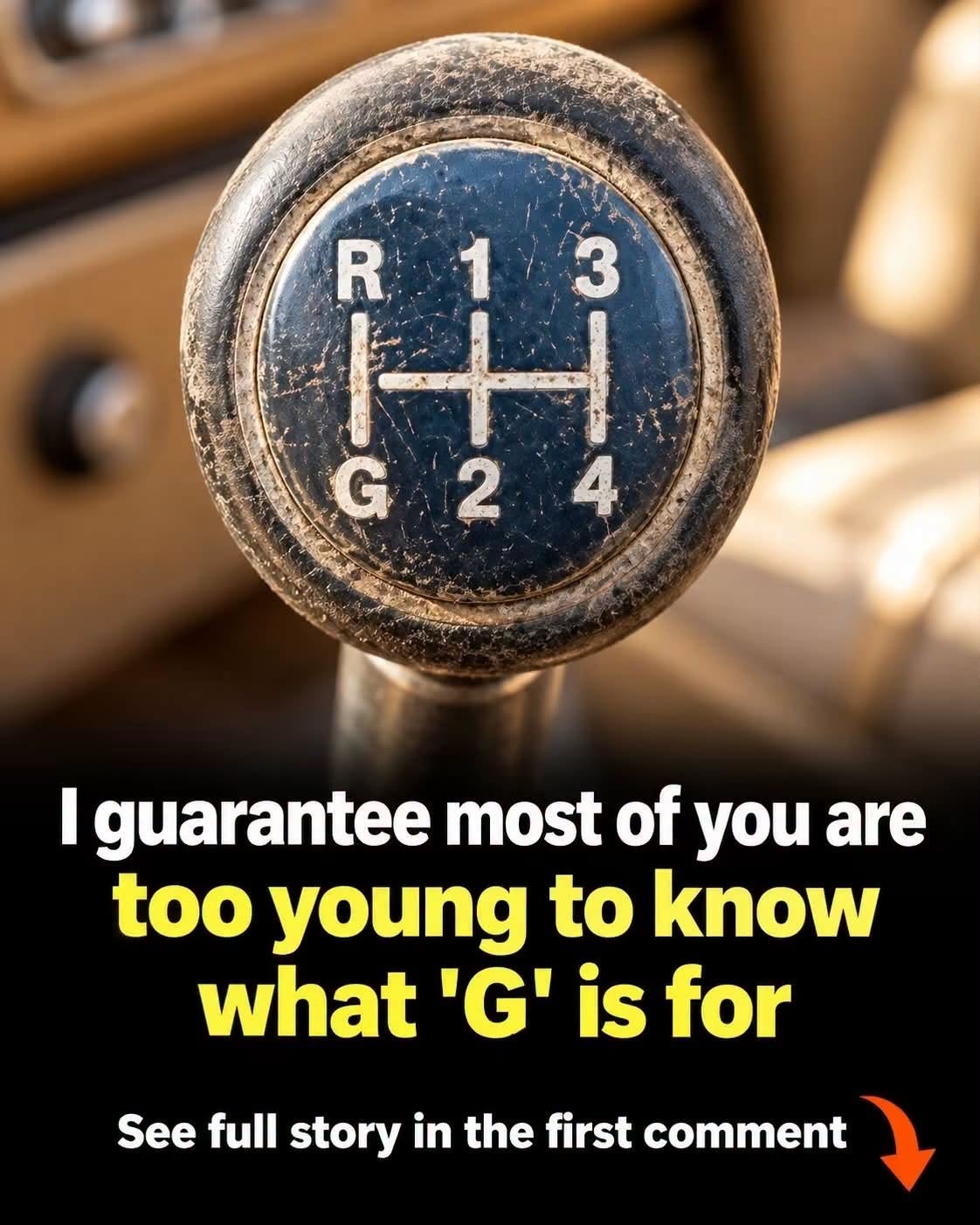
unfamiliar with the “G” shift and some may never encounter this gear in their lifetimes.
What the G Actually Stands For
The “G” stands for Gelände, a German word that translates directly to “terrain.” The word originates from the German automotive giant, Mercedes-Benz, with the full word being Geländewagen, which translates to “all-terrain vehicle.” The Mercedes-Benz G-Class was originally developed in the late 1970s as a military off-road vehicle, built at the request of the Shah of Iran before civilian production versions followed. The word Gelände attached itself to that vehicle’s identity and, over time, to any ultra-low gear that shared the same or similar purpose as the gear position on the G-Wagon.
Maximum Torque, Minimum
Speed
The G gear engages an ultra-low gear ratio which is well below what the first gear is capable of reaching. The lower ratio increases torque at the wheels, allowing vehicles to climb steep inclines, tow heavy loads from a standstill, navigate deep mud, cross loose sand, or crawl over rocky surfaces at a fully controlled pace. Operating at a crawl, this gear offers little benefit for routine driving on paved roads, such as pulling away from intersections or merging onto highways. Instead, engineers design it for environments that demand extreme traction and pulling capability, especially on uneven ground or during critical moments when losing momentum could lead to a dangerous stall.
The Nickname That Stuck
see continuation on next page
The informal but fitting term “Granny Gear,” sometimes referred to as “Ground,” serves as a staple in agricultural and vintage trucking circles. MotorTrend famously compares the pace it provides